
Enamel Dysplasia in Dogs and Cats
At Eastcott Referrals, our Dentistry, Oral and Maxillofacial Surgery (DOMS) team provides advanced diagnosis and treatment for enamel dysplasia in small animals. This developmental condition can leave teeth vulnerable to damage, decay and sensitivity, which in turn can have a profound impact on comfort and overall oral health. Our expert-led service is dedicated to providing tailored solutions to protect and restore affected teeth wherever possible.
What is Enamel Dysplasia?
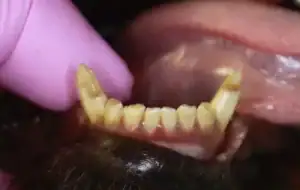
The surface of the canine teeth tips is roughened due to incomplete formation of the enamel
Enamel dysplasia refers to defects that occur during the formation of tooth enamel. This results in teeth who’s surface is poorly mineralised, thin, soft or even missing enamel entirely. Pets affected by this condition are more prone to:
- Sensitivity and pain, particularly when eating
- Discolouration of the teeth, often appearing yellow, brown or chalky
- Rough or uneven tooth surfaces
- Rapid tartar build-up and increased likelihood of gum disease development
- Fractured or excessive wear of teeth due to weakened enamel
At Eastcott, our first priority is to carefully assess the severity and extent of these defects and create a bespoke plan to manage them effectively.
What Causes Enamel Dysplasia?
There are many potential reasons why enamel dysplasia may develop, including:
- Inherited or genetic disorders, affecting enamel formation
- Health problems during development, such as fevers or infections
- Nutritional deficiencies in early life
- Exposure to certain drugs or toxins during tooth formation
- Trauma or injury that impacts developing teeth
Whatever the cause, early identification and intervention are key to managing this lifelong condition.
How We Diagnose Enamel Dysplasia
Each patient referred to our team undergoes a thorough assessment to determine the type and severity of enamel defects. This process usually includes:
- Comprehensive oral examination, carried out under general anaesthesia to allow detailed inspection
- Imaging of the affected teeth by radiographs or CT, which help us assess tooth structure and root health beneath the surface
By gathering this information, we can make informed decisions about the most suitable treatment options.
Treatment Options Available at Eastcott Referrals
Our specialist team offers a range of advanced treatments designed to protect and preserve affected teeth wherever possible. These may include:
Composite Sealing or Restoration
Where enamel defects are localised and tooth structure is largely intact, we may apply composite materials to seal the area. This reduces sensitivity, improves strength and restores appearance.
Crown Placement
For teeth with more extensive damage, full or partial crowns can be placed to provide additional protection and ensure long-term function.
Extraction
Where teeth are non-viable, severely damaged or pose a risk of infection or pain, extraction may be recommended. This option ensures comfort and helps avoid future complications.
Every treatment plan is individually tailored, balancing preservation with overall health and quality of life.
Post-Treatment and Long-Term Care
Pets treated for enamel dysplasia will require ongoing care to maintain oral health. We support referring vets and owners by providing:
- Detailed post-operative instructions
- Pain relief plans to keep pets comfortable during recovery
- Dietary advice, often recommending soft food where appropriate
- Guidance on long-term home dental care, including tooth brushing and safe dental chews
- Regular re-examinations to monitor oral health over time
At Eastcott, our relationship with the patient and referring vet does not end at discharge — we are committed to supporting pets throughout their lives.
Making a Referral
Our Dentistry, Oral and Maxillofacial Surgery team welcomes referrals for all cases of enamel dysplasia, from mild defects to complex, widespread issues. Veterinary professionals can refer cases easily through our online referral process. We are also available to offer advice at any stage, whether discussing potential cases or developing long-term management plans.
At Eastcott Referrals, we are passionate about helping pets with enamel dysplasia enjoy healthy, pain-free lives.
To find out more or refer a case, please contact our friendly and experienced team today.