Veterinary Physiotherapy
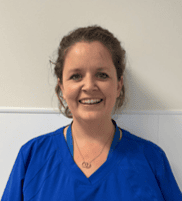
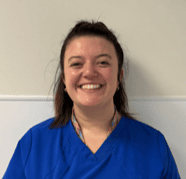
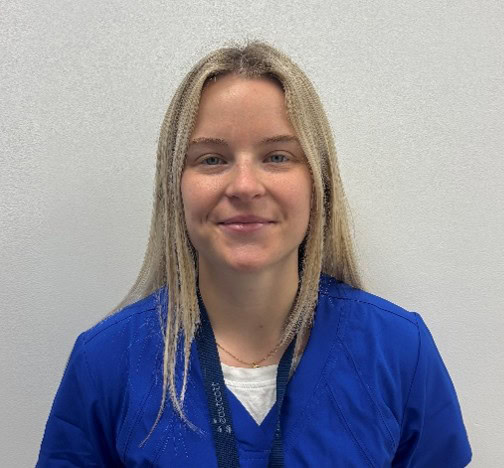
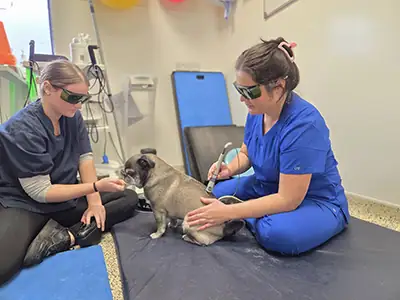 At Eastcott our team of four Veterinary Physiotherapists work closely with our multidisciplinary team of Specialists including Orthopaedics and Neurology to support in managing pain, improve the speed and quality of post-surgical recovery and ensure the best possible mobility and quality of life.
For patients who are recovering from surgery, we offer an inpatient veterinary physiotherapy service where patients are assessed whilst they are in the hospital and are provided with hands-on physiotherapy sessions to help promote recovery and comfort. Patients are provided with a patient specific rehabilitation programme to go home with. This plan will include specific advice about how to manage a pet once they have returned home alongside bespoke rehabilitation exercises to optimise recovery.
Many of our patients return for follow-up appointments with our Veterinary Physiotherapy team to further their rehabilitation through updated exercise plans, ensuring the best possible outcome and increase in mobility.
Veterinary Physiotherapy Treatments
As well as hands-on techniques such as massage, range of motion, myofascial release, and joint mobilisation. Various electrotherapies we currently have available in-house:
- Electrotherapies including K-laser therapy (class 4)
- INDIBA Radiofrequency
- Omega laser therapy (class 3B)
- Pulsed electromagnetic field therapy (PEMF)
- Therapeutic ultrasound
- Transcutaneous electrical nerve stimulation machines (TENS)
- Neuromuscular electrical nerve stimulation (NMES).
Our team are also able to offer advice on environment, exercise management and mental wellbeing during rehabilitation, and recommend other therapies as appropriate, such as hydrotherapy.
Veterinary Physiotherapy Services
Our Veterinary Physiotherapy team are also experienced in wheelchair and Help-Em-Up harness measuring. If you think your dog may require one of the above, our team will be able to offer expert advice
Wheelchairs are often indicated in dogs that have not regained feeling in their legs after a slipped disc or after surgery. Wheelchairs can help them live a new lease of life by allowing them to move about more. We recommend seeing our Veterinary Physiotherapy team regularly during the initial stages in order to ensure the wheelchair fits appropriately and the patient does not develop any secondary issues while acclimatizing to this new form of exercise.
Help-Em-Up harnesses are beneficial for patients needing extra support during movement which is particularly helpful in dogs recovering from surgery or older dogs requiring more assistance. We often use these during our Inpatient Physiotherapy service to help support the patients weight thus allowing them to be more comfortable during the initial stages of recovery.
Conditions treated
Our Veterinary Physiotherapy team accept both pre- and post-surgical and conservatively managed cases.
Examples of cases that we can support with physiotherapy include:
- Arthritis – osteoarthritis and immune-mediated polyarthritis
- Hip dysplasia
- Elbow dysplasia
- Cruciate ligament disease
- Patella luxation
- Broken bones (fractures) and joint dislocations
- Shoulder instability and bicipital tenosynovitis
- Osteochondritis dissecans of the elbow, shoulder, stifle or hock
- Spinal stenosis, spondylosis and spondylitis
- Lumbosacral disease
- Intervertebral disc disease
- Other neurological conditions such as ANNPE, FCE, vestibular syndrome
- Muscle strains, such as iliopsoas or gastrocnemius pathology
- General behaviour changes or change in ability
- Maintenance check-ups
Our Veterinary Physiotherapy team are all qualified to masters level and registered with various associations and registers to ensure they are up to date to education and training and following legal guidelines. These include NAVP, IRVAP and RAMP.